
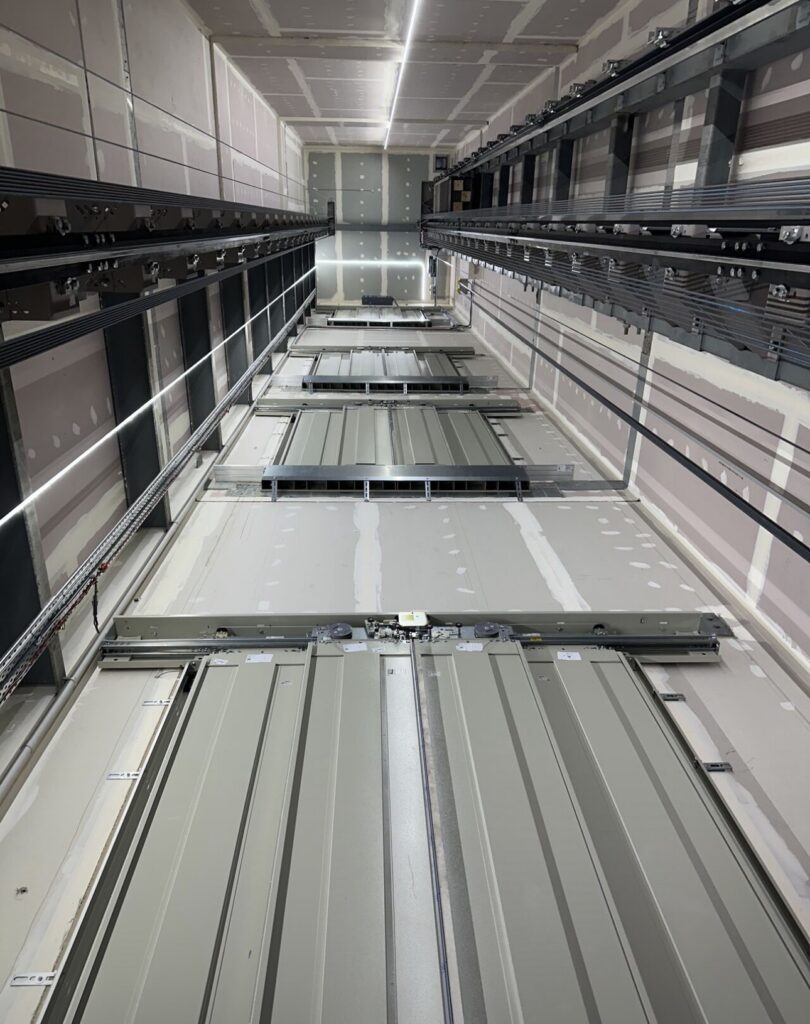
Elevators are complex machines with hundreds of moving parts. When a component fails, using the wrong spare part can lead to catastrophic consequences. The difference between certified and non-certified elevator parts isn’t just about cost — it’s about safety, compliance, and your reputation.
What’s the difference between certified and non-certified parts?
• Certified parts (like ITALIANPRO): Made to strict standards (EN 81, ASME A17), tested for safety, durability, and performance.
• Non-certified parts: Cheaper, untested, often with unknown origin. Risk of early failure, safety hazards.
Consequences of using non-certified parts:
- Safety risks: Faulty parts can cause accidents, injuries, or even fatalities.
- Breakdowns increase 5x: Non-certified parts fail faster, leading to stuck passengers and costly repairs.
- Legal trouble: Non-compliance with lift safety laws (like DGCA in India) can lead to fines, insurance claims rejection.
- Voided warranty: OEMs like Fuji Vertical Elevators won’t cover damage caused by non-certified parts.
- Costlier in the long run: Frequent repairs + downtime = loss of business + reputation.
Why 2M Lifts trusts ITALIANPRO certified parts:
• Proven reliability: ITALIANPRO guide rails, machines, safety gear pass European lift standards.
• Reduced callbacks: Our clients report 60% fewer issues vs generic parts.
• Safety first: Certified parts = safer rides for your passengers.
Bottom line:
Cutting corners on elevator parts isn’t worth the risk. At 2M Lifts, we fit only ITALIANPRO certified components for Fuji Vertical Elevators. Your safety, our priority.